The aluminium vs uPVC windows debate is one of the most frequently asked questions in the UK glazing industry. Both materials dominate the residential market, and both have genuine strengths. The right choice depends on your property type, budget, aesthetic priorities, and how long you plan to stay in the home. Here is an honest, practical comparison.
What Is uPVC?
uPVC (unplasticised polyvinyl chloride) has been the dominant window frame material in the UK since the 1980s. It is relatively inexpensive to manufacture, thermally efficient, low maintenance, and available in a wide range of standard and foiled colours. It is the default choice for the majority of replacement window installations across the UK.
What Is Aluminium?
Aluminium is a lightweight, high-strength metal used in premium window, door, and glazing systems. Modern aluminium windows use thermally broken frame profiles – an insulating barrier within the frame that brings thermal performance broadly in line with uPVC. Aluminium is specified in both residential and commercial contexts and is particularly associated with contemporary architecture and large-span glazing. Explore our range of aluminium windows and bi-fold doors.
Head-to-Head Comparison
Appearance and Sightlines
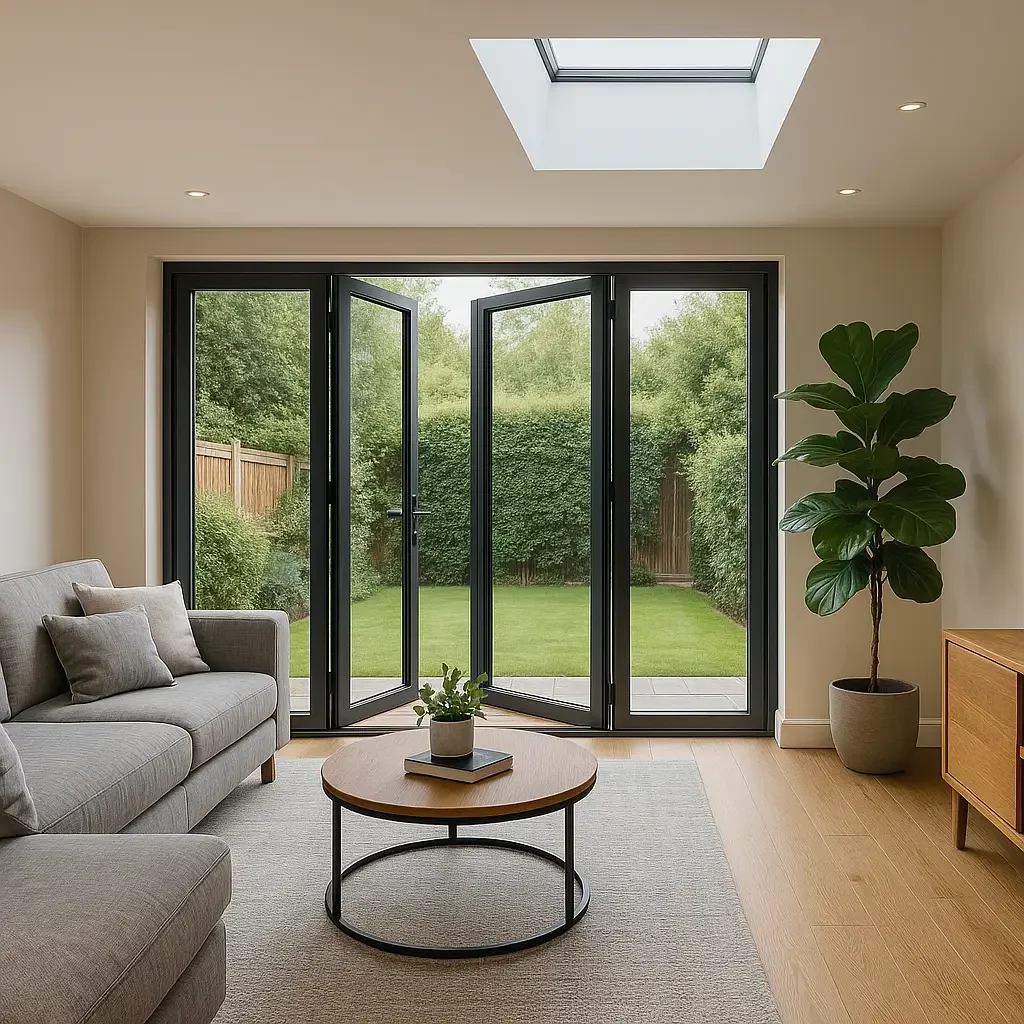
Aluminium wins here clearly. Because aluminium is so much stronger than uPVC, frames can be made far slimmer for the same structural performance. Slimmer frames mean larger visible glass areas, cleaner sight lines, and a more minimal, architectural aesthetic. uPVC frames are inherently bulkier – they cannot match the slim look of aluminium, particularly on large windows, bi-fold doors, and floor-to-ceiling glazing.
Energy Efficiency
This used to be a clear win for uPVC, but it no longer is. Modern thermally broken aluminium window systems achieve whole-window U-values of 1.4 W/m²K or below – fully compliant with UK Building Regulations Part L – and perform comparably to uPVC in real-world conditions. Both materials can incorporate low-E coatings, argon gas fill, and warm edge spacer bars to further improve performance. For more detail, read our guide to aluminium windows energy efficiency.
Verdict: Draw – provided the aluminium system is thermally broken. Always confirm this when specifying.
Lifespan and Durability
Aluminium wins comfortably. A well-manufactured aluminium window system will typically last 40 years or more with minimal maintenance. The material does not warp, rot, crack, or yellow with UV exposure. uPVC windows have a typical lifespan of 20-25 years. Over time uPVC can yellow, particularly on south-facing elevations, and welded corners can crack under stress.
Maintenance
Both materials are low maintenance compared to timber. Neither requires painting, treating, or sealing – a wipe-down with a damp cloth is all that is needed. High-quality aluminium hardware tends to be more durable over time than the hinges and locking mechanisms found on many uPVC systems.
Cost
uPVC is the more affordable option upfront. For a standard mid-range double-glazed window, aluminium typically costs 30-50% more than an equivalent uPVC product. However, when you factor in the longer lifespan – potentially twice that of uPVC – the cost per year of use is broadly similar and can work in aluminium’s favour over the longer term.
Colour Options
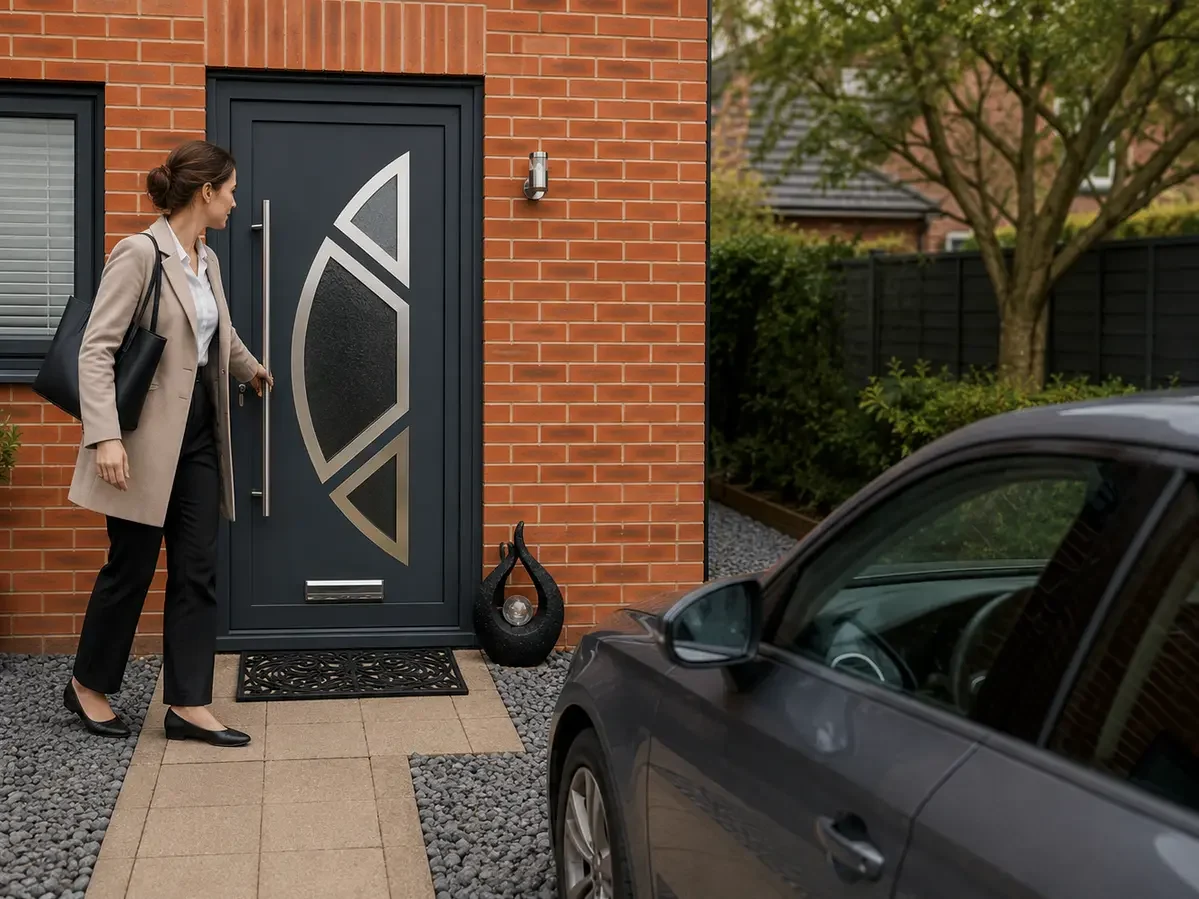
Both materials offer a wide range of colours, but aluminium has a significant advantage. Aluminium is powder coated, producing a far more durable and fade-resistant finish than the foiled or sprayed finishes available on uPVC. RAL powder coating on aluminium is available in virtually any colour, is highly resistant to chipping and fading, and can be refinished if required.
Environmental Considerations
Aluminium is one of the most recyclable materials on earth. At the end of its life, an aluminium window frame can be fully recycled with no loss of material quality. Aluminium production is energy-intensive, but the material’s recyclability and longevity give it a strong long-term environmental case compared to uPVC. You can read more about aluminium’s environmental credentials from the Aluminium Leader.
Summary
| Aluminium | uPVC | |
|---|---|---|
| Appearance | Slimmer, premium look | Bulkier frames |
| Energy efficiency | Comparable (thermally broken) | Comparable |
| Lifespan | 40+ years | 20-25 years |
| Upfront cost | Higher | Lower |
| Colour range | Better (powder coat) | Good (foiled/sprayed) |
| Recyclability | Better | Average |
Our Recommendation
Choose aluminium if you are building new, renovating a contemporary home, fitting large areas of glazing, or simply want a premium product that will look great and last for decades without compromise.
Choose uPVC if upfront budget is the primary constraint, you are working on a traditional property where standard frames are the norm, and you are comfortable with a replacement cycle of 20-25 years.
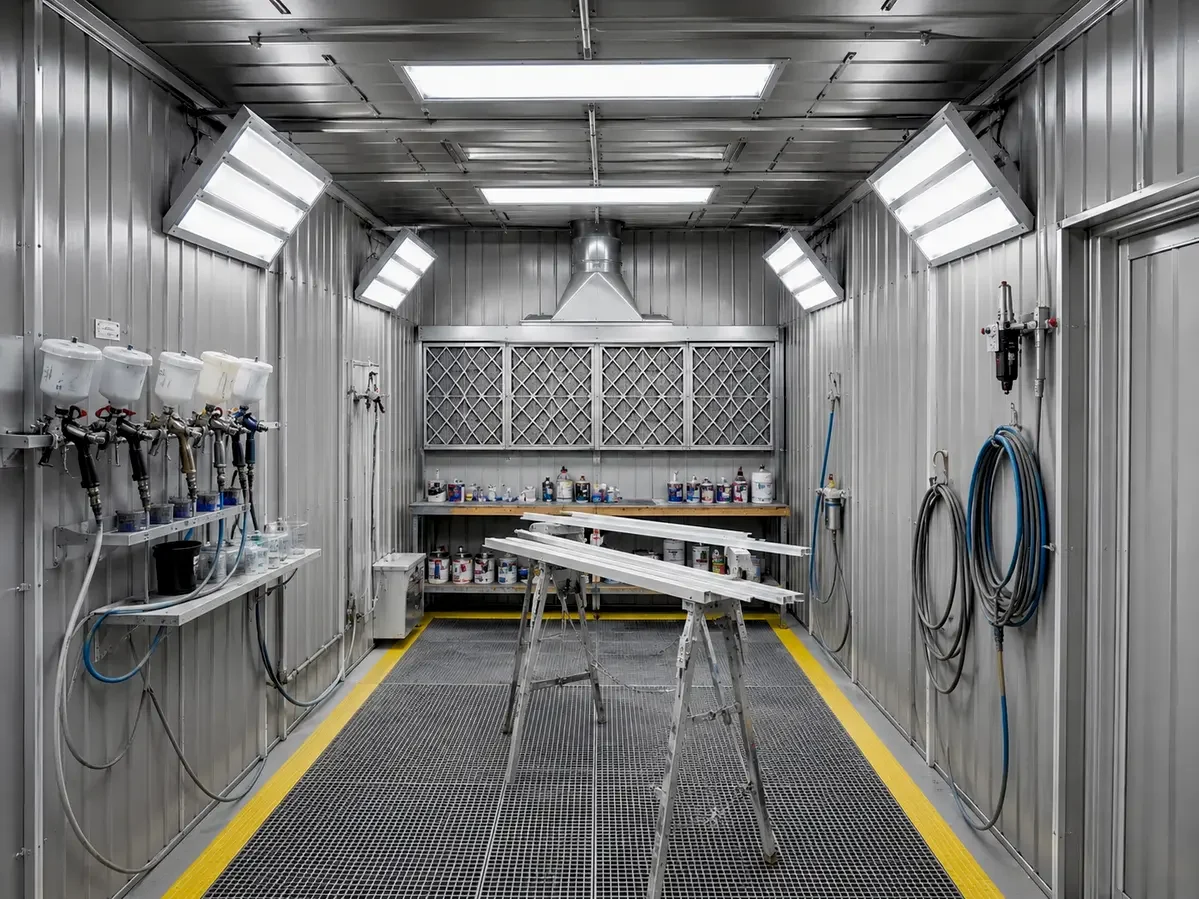
At Indus Aluminium, we specialise in premium aluminium windows and doors, manufactured at our factory in Burntwood and installed across the West Midlands and Staffordshire. If you have a project in mind, get in touch today for a free consultation and quote.